
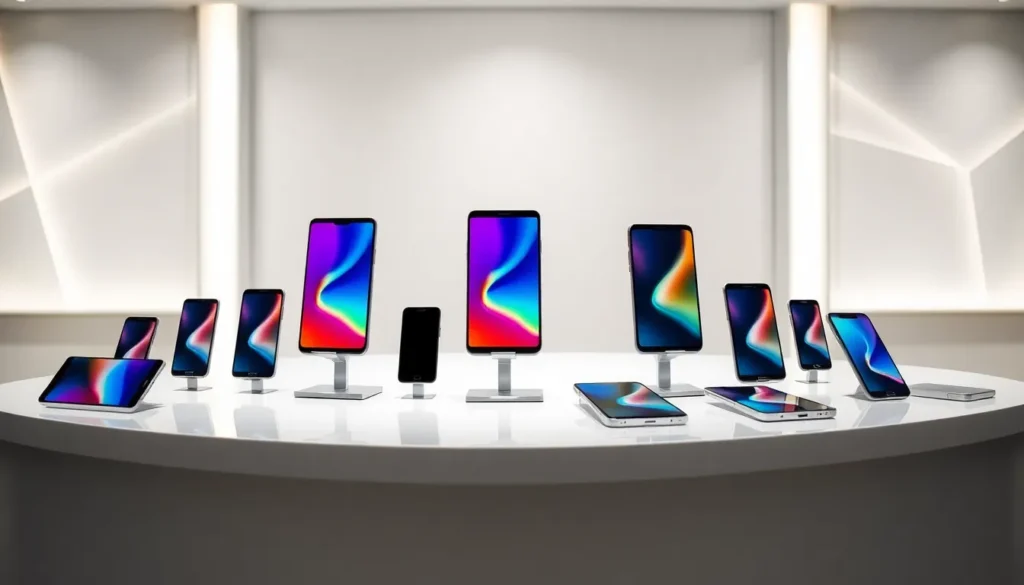
The best mobile phones of 2025 deliver remarkable performance across every price point. Whether someone wants a flagship powerhouse or a budget-friendly device, this year’s lineup offers something for everyone. Smartphone manufacturers have pushed boundaries with faster processors, improved cameras, and longer battery life. This guide breaks down the top mobile phone picks for 2025, helping readers find the perfect device without overspending.
Table of Contents
ToggleKey Takeaways
- The best mobile phones of 2025 span all budgets, from flagship devices over $1,000 to capable budget options under $300.
- Flagship models like the iPhone 16 Pro Max, Samsung Galaxy S25 Ultra, and Google Pixel 9 Pro offer top-tier cameras, processors, and up to seven years of software updates.
- Mid-range mobile phones such as the Galaxy A55 and Pixel 8a deliver flagship-quality features—including excellent cameras and long software support—for $450–$500.
- Budget options like the Samsung Galaxy A15 5G and Moto G Power prove you don’t need to overspend for solid performance, 5G connectivity, and multi-day battery life.
- When choosing the best mobile phone for your needs, prioritize what matters most: camera quality, battery life, software longevity, or ecosystem integration.
- Always check real-world battery tests and try phones in-store to ensure the device feels right before purchasing.
What Makes a Great Mobile Phone in 2025
A great mobile phone in 2025 balances several key factors. Processing power matters first. The latest chips from Qualcomm, Apple, and MediaTek handle everything from gaming to video editing without lag. Battery life has become equally important, most top phones now last a full day with heavy use.
Camera quality continues to improve. The best mobile devices feature multiple lenses, advanced computational photography, and improved low-light performance. Display technology has also advanced. AMOLED screens with 120Hz refresh rates are now standard on mid-range phones, not just flagships.
Software support plays a bigger role than ever. Samsung promises seven years of updates for its premium devices. Google and Apple offer similar long-term support. This extended software lifecycle makes phones relevant longer and protects user security.
Build quality and design round out the package. Premium materials like titanium and Gorilla Glass Victus 2 appear on flagship models. Water resistance (IP68 rating) has trickled down to mid-range options too.
Best Flagship Mobile Phones
Flagship mobile phones represent the peak of smartphone technology. These devices cost more but deliver the best cameras, displays, and performance available.
Apple iPhone 16 Pro Max
Apple’s iPhone 16 Pro Max leads the flagship category. It features the A18 Pro chip, which handles demanding tasks effortlessly. The camera system includes a 48MP main sensor with improved zoom capabilities. Battery life stretches to nearly two days for average users. The titanium frame keeps weight manageable even though the 6.9-inch display.
Samsung Galaxy S25 Ultra
Samsung’s Galaxy S25 Ultra competes directly with Apple’s best. Its Snapdragon 8 Elite processor delivers desktop-class performance. The 200MP main camera captures stunning detail. Samsung’s seven-year update promise makes this mobile phone a long-term investment. The built-in S Pen adds productivity features other flagships lack.
Google Pixel 9 Pro
Google’s Pixel 9 Pro excels at photography. Its computational photography produces the most natural-looking images of any mobile phone. The Tensor G4 chip powers advanced AI features directly on the device. Clean Android software and guaranteed updates for seven years add value. It costs less than Samsung and Apple flagships while matching their camera quality.
Best Mid-Range Mobile Phones
Mid-range mobile phones deliver flagship features at lower prices. These devices suit users who want quality without spending over $700.
Samsung Galaxy A55
The Galaxy A55 offers Samsung’s best value proposition. It features a 120Hz AMOLED display that rivals flagship screens. The Exynos 1480 processor handles everyday tasks and light gaming smoothly. Samsung promises four years of OS updates and five years of security patches. Water resistance (IP67) protects against accidental spills. At around $450, this mobile phone punches above its weight.
Google Pixel 8a
Google’s Pixel 8a brings flagship camera quality to the mid-range segment. The same computational photography that makes Pixel Pro phones famous works here. It runs the Tensor G3 chip with full AI capabilities. Seven years of updates match flagship support timelines. The $499 price point makes it accessible to more buyers.
OnePlus 13R
OnePlus delivers speed at a competitive price. The 13R features a Snapdragon 8 Gen 3 processor, last year’s flagship chip. It charges incredibly fast, reaching 100% in under 30 minutes. The display is bright and smooth. OnePlus software runs clean and fast without bloatware.
Best Budget Mobile Phones
Budget mobile phones prove that good smartphones don’t require big spending. These options cost under $300 and still perform well.
Samsung Galaxy A15 5G
Samsung’s Galaxy A15 5G costs around $200 and includes 5G connectivity. The 6.5-inch AMOLED display looks sharp and vibrant. It handles social media, streaming, and basic games without issues. Samsung provides four years of security updates at this price point. Few budget phones match this combination of features and longevity.
Motorola Moto G Power (2024)
The Moto G Power lives up to its name. Battery life extends to three days with moderate use. The stock Android experience runs smoothly without unnecessary apps. At $300, buyers get a capable mobile phone that won’t die mid-afternoon. The camera handles daylight photos well, though low-light performance is limited.
Google Pixel 7a
Though released earlier, the Pixel 7a remains an excellent budget choice at its reduced price. It still receives software updates and takes photos that embarrass more expensive phones. The Tensor G2 chip enables Google’s AI features. Finding this mobile phone on sale makes it a smart purchase for budget-conscious buyers.
How to Choose the Right Mobile Phone for You
Choosing the right mobile phone depends on individual priorities. Start by setting a realistic budget. Flagship phones cost $1,000 or more. Mid-range options run $400-700. Budget devices stay under $300.
Consider how the phone will be used. Photography enthusiasts should prioritize camera quality, Pixel phones excel here regardless of price tier. Gamers need powerful processors and fast displays. Business users might value security updates and productivity features.
Battery life matters for heavy users. Check reviews for real-world battery tests rather than manufacturer claims. Fast charging helps compensate for smaller batteries.
Think about the ecosystem. iPhone users with MacBooks and iPads benefit from Apple’s seamless integration. Android users have more flexibility but less consistency between devices.
Software support length affects long-term value. A mobile phone with seven years of updates costs less over time than one replaced after three years. Samsung, Google, and Apple lead in this area.
Finally, try phones in stores when possible. Screen size, weight, and button placement feel different in hand than they look in specs. A phone that feels right often becomes the best choice.

