
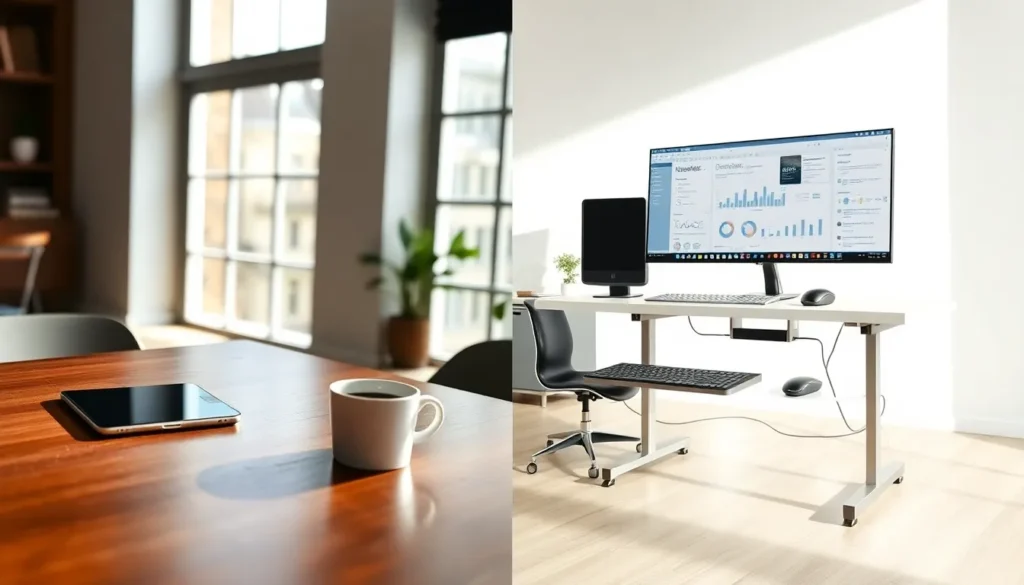
The mobile vs desktop debate shapes how millions of people work, play, and connect every day. Both device types serve distinct purposes, and choosing between them depends on individual needs, budget, and lifestyle. Mobile devices offer freedom and flexibility. Desktop computers deliver raw power and larger screens. This guide breaks down the key differences between mobile and desktop platforms. It covers performance, portability, cost, and use cases to help readers make informed decisions. Whether someone needs a device for professional work, casual browsing, or creative projects, understanding the mobile vs desktop tradeoffs is essential.
Table of Contents
ToggleKey Takeaways
- The mobile vs desktop decision depends on your specific needs—portability favors mobile devices, while raw power and ergonomics favor desktops.
- Desktop computers outperform mobile devices in demanding tasks like video editing, 3D rendering, and gaming due to better cooling and dedicated graphics cards.
- Mobile devices are ideal for frequent travelers, students, and casual users who prioritize flexibility and instant access over processing power.
- Desktops offer better long-term value with easier upgrades, cheaper repairs, and a typical lifespan of five to seven years compared to three to four years for mobile devices.
- Creative professionals, gamers, and office workers who need large screens, precise input devices, or multi-monitor setups benefit most from desktop systems.
- Entry-level desktops deliver more performance per dollar than comparable laptops, making them a smart choice for budget-conscious buyers who don’t need portability.
Key Differences Between Mobile and Desktop Devices
The mobile vs desktop comparison starts with understanding what makes each platform unique. These differences affect daily productivity, entertainment options, and long-term satisfaction with a purchase.
Performance and Processing Power
Desktop computers consistently outperform mobile devices in raw computing power. A mid-range desktop typically handles demanding tasks like video editing, 3D rendering, and software development with ease. The larger chassis allows for better cooling systems, which means processors can run at higher speeds for longer periods.
Mobile devices have made impressive gains in recent years. Modern smartphones and tablets run complex apps, stream high-definition content, and handle casual gaming without breaking a sweat. But, they still lag behind desktops for intensive workloads. A desktop with a dedicated graphics card will crush any mobile device in benchmark tests.
The mobile vs desktop performance gap matters most for professionals. Graphic designers, engineers, and content creators often need desktop-level processing power. Casual users who browse the web, check email, and watch videos may never notice the difference.
Portability and Convenience
Mobile devices win the portability contest hands down. A smartphone fits in a pocket. A tablet slips into a small bag. Users can work from coffee shops, airports, or their couch without any setup.
Desktops require a dedicated space. They need a desk, monitor, keyboard, and mouse. Moving a desktop system takes effort and planning. This limitation makes desktops impractical for people who travel frequently or lack a permanent workspace.
The mobile vs desktop convenience factor extends to instant access. Mobile devices wake from sleep in seconds. They stay connected throughout the day. Desktops require boot-up time and a stable power source.
When to Choose Mobile Over Desktop
Mobile devices make sense for several common scenarios. Understanding these situations helps buyers avoid overspending on hardware they don’t need.
Frequent travelers benefit most from mobile technology. Business professionals who work from hotels, airports, and client offices need devices that move with them. A laptop or tablet handles email, presentations, and video calls without the bulk of desktop equipment.
Students often prefer mobile devices for their flexibility. They can take notes in class, study at the library, and complete assignments from anywhere on campus. The mobile vs desktop decision for students typically favors portability over power.
Casual users rarely need desktop capabilities. People who primarily browse social media, stream entertainment, and communicate with friends can do everything on a smartphone or tablet. Buying a desktop for these activities wastes money and space.
Remote workers with light workloads also lean toward mobile setups. Customer service representatives, writers, and administrative assistants can complete their tasks on a laptop or tablet with a keyboard attachment.
When Desktop Is the Better Option
Desktop computers remain the best choice for specific use cases. The mobile vs desktop equation tips toward desktops when performance and ergonomics matter most.
Creative professionals need desktop power. Video editors work with large files that require fast processors and ample storage. Graphic designers benefit from color-accurate monitors and precise input devices. Music producers need multiple displays and specialized audio interfaces. Desktop systems accommodate these requirements far better than mobile alternatives.
Gamers get the best experience on desktop machines. High-end graphics cards, fast refresh rate monitors, and mechanical keyboards create an immersive gaming setup. Mobile gaming has grown significantly, but serious gamers still prefer desktop rigs for competitive play.
Office workers who sit at the same desk every day should consider desktops. Larger monitors reduce eye strain. Full-sized keyboards improve typing speed and comfort. The mobile vs desktop choice becomes clear when someone works eight hours daily from a fixed location.
Programmers and developers often prefer desktops for similar reasons. Multiple monitors help them reference documentation while writing code. Powerful processors speed up compilation times. Desktop systems also offer easier upgrades as software requirements grow.
Cost Considerations for Each Platform
Budget plays a major role in the mobile vs desktop decision. Both platforms span a wide price range, but the value proposition differs significantly.
Entry-level desktops cost less than comparable laptops. A $500 desktop delivers more performance than a $500 laptop because manufacturers don’t need to miniaturize components or include a battery. This price advantage makes desktops attractive for budget-conscious buyers who don’t need portability.
Mobile devices carry a premium for their compact design. Smartphones range from $200 budget models to $1,500 flagship devices. Tablets fall somewhere in between. Laptops can cost anywhere from $300 to $3,000 depending on specifications.
Long-term costs also factor into the mobile vs desktop comparison. Desktop components are easier to replace and upgrade. A desktop user can add more RAM, swap the graphics card, or install a larger hard drive without buying a new system. Mobile devices typically require complete replacement when they become outdated.
Repair costs favor desktops as well. Fixing a cracked laptop screen or replacing a smartphone battery often costs a significant percentage of the device’s original price. Desktop repairs tend to be simpler and cheaper.
The mobile vs desktop total cost of ownership depends on how long someone keeps their device. Desktops can remain useful for five to seven years with occasional upgrades. Mobile devices typically need replacement every three to four years.

